The Art of Clear Communication: From Cavemen to Texting
You’ve probably had those moments when you thought you explained something perfectly, only to find the other person looking at you like you just spoke in ancient hieroglyphics. Communication is a tricky beast because it’s not just about the words you say it's also about making sure what’s in your head doesn’t land in theirs like a game of telephone gone wildly wrong. It’s a delicate dance involving tone, body language, facial expressions, and even the awkward silence that feels like a thousand-pound elephant sitting between you. Every interaction carries a message, whether you intend it or not like that time you said, "I love your new haircut," and they thought you were actually talking about their cat. Understanding this can transform how you connect with others every day, or at least give you plenty of material for your next stand-up routine!

How Communication Began
Imagine early humans trying to warn their tribe about danger. They didn’t have words or writing yet. Instead, they used grunts, gestures, and drawings on cave walls. One simple sound or sign could mean many things: “Food here,” “Danger nearby,” or “Stay away from my stuff.” These early methods were the first attempts to share ideas and feelings.
As time passed, people developed symbols and written language. This allowed them to record laws, stories, and even personal messages like love letters or arguments. The invention of the printing press by Johannes Gutenberg in the 15th century was a huge leap. It made sharing ideas faster and easier, reaching many people at once. Later, the telephone, radio, and television added new ways to connect, but also new chances for misunderstanding.
Why Communication Still Challenges Us Today
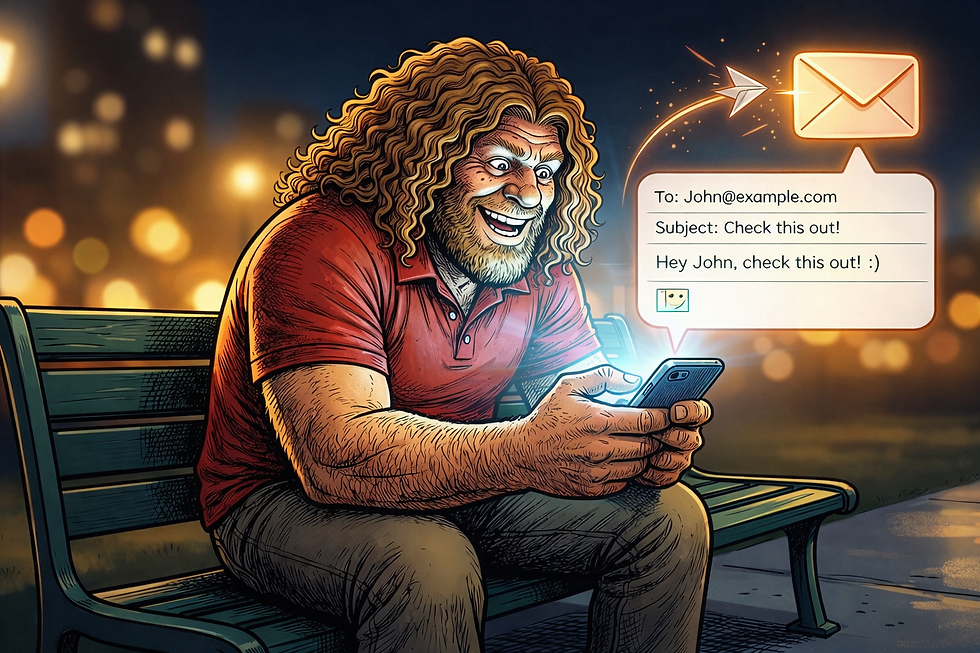
Even with texting, email, and social media, misunderstandings happen just as often as in caveman days. You might send a message thinking it’s clear, but the other person reads it differently. Tone doesn’t always come through in text, and body language is missing. This can lead to confusion or hurt feelings.
Think about a time you nodded along in a conversation but didn’t really understand what was said. You weren’t alone. Many people do this to avoid interrupting or admitting confusion. This shows how important it is to check if your message was understood, not just delivered.

How to Improve Your Communication Every Day
You can make your communication clearer and stronger by focusing on a few key habits:
Be aware of your tone
Your voice can change the meaning of your words. Saying “I’m fine” with a smile sounds different than with a sigh.
Use body language
Eye contact, gestures, and facial expressions add meaning. They help others understand your feelings beyond words.
Pause and listen
Silence can be powerful. Giving space for others to respond shows respect and helps avoid misunderstandings.
Ask questions
If you’re unsure whether someone understood you, ask. Simple questions like “Does that make sense?” or “What do you think?” invite clarity.
Be clear and concise
Avoid long, complicated sentences. Break your ideas into smaller parts to make them easier to follow.
Real-Life Example: Fixing a Misunderstanding
Imagine you’re working on a group project. You send a message asking for help with a task, but the reply seems cold or unhelpful. Instead of assuming the worst, you ask for clarification. The other person explains they were busy and didn’t mean to sound rude. This quick check prevents hurt feelings and keeps the project on track.
Why Communication Shapes Relationships
Every relationship depends on how well people understand each other. First impressions often come from how clearly you express yourself. Friends and family feel closer when you share your thoughts and listen carefully. Even small daily interactions influence how people feel around you.
When you improve your communication skills, you build stronger connections. People trust you more and feel comfortable sharing their ideas. This creates a positive cycle where everyone benefits.
Keep Practicing the Art of Communication
Communication is a skill you develop over time. It’s not about being perfect but about trying to connect clearly and kindly. Remember that every interaction is a chance to practice. Notice how people respond to your words and adjust if needed.
Podcast

This episode of The Art of Clear Communication is delivered in Neo’s signature MindFuse Academy style sharp, observant, and just a little sarcastic. Neo opens by calling out one of humanity’s greatest ongoing failures: thinking we’ve explained something perfectly, only to get that blank, confused stare in return. He walks listeners through the evolution of communication from cavemen grunts to texting “k” pointing out that while technology has advanced, misunderstanding has evolved right along with it. Neo emphasizes that communication is never just words; it’s tone, facial expressions, body language, and even silence that often says more than anything spoken. In today’s digital world, where tone disappears in text, he highlights how easily messages get misinterpreted and why it’s critical to check if what you said actually landed.
From there, Neo breaks things down into five no-nonsense habits for mastering communication: control your tone, align your body language, pause and truly listen, ask questions to clarify, and keep it simple just say the thing. With quick, relatable examples, he shows how most conflicts aren’t dramatic they’re just misunderstandings that could’ve been avoided with one question. Neo closes by reinforcing that communication is the backbone of every relationship, from friendships to professional trust. His message is clear: communication isn’t something you’re born good at it’s a skill you practice, mess up, and refine over time. And if cavemen could eventually figure it out… you’ve got no excuse.

Readers Questions
If you had to communicate using only grunts for a day, what would your “I’m fine” grunt sound like? And which would be harder to explain with cave drawings: “we need to talk” or “I ate your snacks”?
Be honest… would you survive caveman communication, or accidentally start a war over a bad stick figure drawing?
Fast forward to today: have you ever sent a text that sounded normal in your head but came across completely wrong? And what’s more dangerous: a period at the end of a text, a simple “K.”, or the dreaded “we need to talk”?
Think about tone. Have you ever said “I’m fine” when you definitely were not? Or had your face give away everything you were trying to hide? If your expressions had subtitles, what would they say during awkward conversations?
We’ve all nodded along pretending we understood something. What happened the last time you tried to fake your way through a conversation? And how long can you sit in silence before you start talking just to fill the space?
Have you ever thought someone was upset with you, only to find out they were just busy or distracted? If communication had a reset button, what conversation would you redo?
And finally, if your worst communication fail became a stand-up comedy routine, what would the title be? Drop your answer in the comments bonus points if it makes us laugh or cringe!


My "I'm fine" grunt would be similar to my others but I'd obviously have a tone to it that'd be "sarcastic" of "I'm going to tell you I'm fine, but I'm really not." I'd use my body movements to really show how "fine" I am. - I think "We need to talk" would be harder to draw rather than "I ate your snacks." - I'd probably be pretty good with communicating like a caveman - I have sent multiple texts that I thought came out fine, but instead made someone freak the out because the lack of tone. - I think a "k" and the period is the end of the world. Or worse "K." - I think I've always said "I'm…
My "I'm fine" grunt would be the same as the others, just delivered with defining body movements.
I would start a war with my poor drawings.
The dreaded "I need to talk".
Yes, and of course, my "I'm fine" with snark is used on my husband sometimes.
I can keep my mouth shut but my face says it all. I'm too honest in my reactions.
Conversation fake: I escaped from that person ASAP
I do not sit in silence long - unfortunately, I'm too impatient. Small talk is boring to me.
I would redo a conversation with a lady I spoke to at a funeral. I was emotional and did not respond the best.
I had a dental patient who…
They say actions speak louder than words.
Test
This could be seen as a TYPE of miscommunication.